The Flagship in Your Case: Why Tuning Beats Trading for 2026 Bowhunters
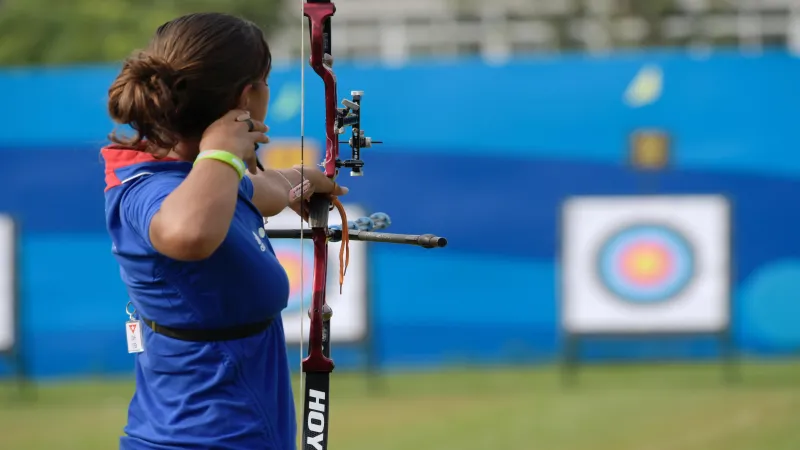
Photo: archery bow tuning on bow press with compound bow strings and arrows, via fittoplay.org
The 2026 flagship bows are excellent. They are also expensive, and most of us do not need one to punch a tag. That is not a knock on new bows. It is an argument for being honest about what actually improves your shooting.
Every year, bow companies roll out lighter risers, smoother cams, better dampeners, and finishes that look great in photos. The marketing machine is good at making last year's flagship feel obsolete. But out in the woods, the gap between a well-tuned older bow and a brand-new flagship is usually smaller than the gap between a bowhunter who practices and one who does not.
At AK Bowhunters, we are not anti-new-bow. We are pro-results. And for a lot of hunters, the fastest path to better results in 2026 is a string change, a proper tune, a sight upgrade, and a few hundred arrows downrange.
The New-Bow Math
A new flagship compound often runs $1,300 to $2,000 before you add a rest, sight, stabilizer, quiver, release, and arrows. That is a lot of money for a tool that still depends on the same fundamentals: anchor, grip, follow-through, and shot execution.
If your current bow is safe, fits you, and tunes well, the question is not whether the new bow is better. The question is whether it is better enough to justify the cost. For most hunters, the answer is no. A well-set-up older bow with fresh strings and a solid tune will kill deer, elk, bears, and hogs just fine.
What an Older Bow Actually Costs You
Older bows can cost you accuracy and confidence if they are neglected. Before you decide to keep your current rig, give it a real audit.
- Inspect the limbs for cracks, chips, or delamination.
- Check the cams for wear, bent edges, or rough bearings.
- Look at the string and cables for fraying, serving separation, or stretched sections.
- Confirm the draw length and poundage still fit you and your hunting style.
- Check timing marks and cam sync.
- Shoot through paper or bare-shaft tune to see what the bow is really doing.
- Listen for rattles, buzzes, or loose accessories.
If you find a cracked limb, a bent cam, or serious bearing play, stop shooting and get the bow inspected by a professional. Do not settle for unsafe equipment. The point is not to shoot a worn-out bow forever. The point is to avoid replacing a perfectly good bow just because it is a few seasons old.
The Upgrades That Earn Their Keep
A few upgrades make a real difference without approaching flagship money.
Strings and cables. Fresh, high-quality strings are one of the best investments you can make in an older bow. They restore timing, reduce creep, and make the bow feel new again.
A quality rest. A reliable drop-away or fixed rest that tunes well and holds up in the field is worth the money. Avoid chasing the latest micro-adjust feature if your current rest is solid.
A sight you trust. A clear, rugged sight with a bright pin and a solid adjustment system matters more than a few extra gadgets. If your pins are dim or your adjustments slip, upgrade.
A stabilizer that fits the hunt. A short front bar and a rear bar can settle the bow without making it a nightmare in a ground blind. Set it up for how you actually hunt, not how you shoot on a flat range.
Arrows and broadheads. A well-spined arrow with a sharp broadhead and a proper tune will do more for penetration and blood trails than a new bow will. Do not overlook the front end of the arrow.
A release that fits. A clean, consistent release with a comfortable trigger is a cheap accuracy upgrade. Practice with it until it disappears from your awareness.
How to Resist the Gear Cycle
The gear cycle is designed to make you feel behind. Fight back with a simple rule: demo new bows, but do not buy one until you can explain exactly what problem it solves for you. If the answer is lighter, smoother, or more accurate, ask whether your current bow can get closer to that with a tune and an upgrade.
Spend the off-season shooting. Take a lesson. Film your shot. Paper-tune. Bare-shaft tune. Shoot from a treestand, a blind, and kneeling positions. The confidence you build will do more for your hunting than a new riser ever will.
When It Is Actually Time
There are real reasons to move on. Your draw length cannot be adjusted into range. The bow is unsafe. Replacement parts are unavailable. The grip or riser geometry causes pain. You have outgrown the poundage range. Or the bow simply does not fit the way you hunt anymore.
Those are good reasons. Wanting the newest flagship is not a bad reason either, as long as you are honest about it. But do not confuse marketing with necessity.
Your old bow is probably not the problem. Your tune, your practice, and your setup might be. Fix those first in 2026, and you may find that the flagship you already own is still a very good hunting bow.