Frost on the String: Why Your December Bow Needs a Cold-Weather Recheck
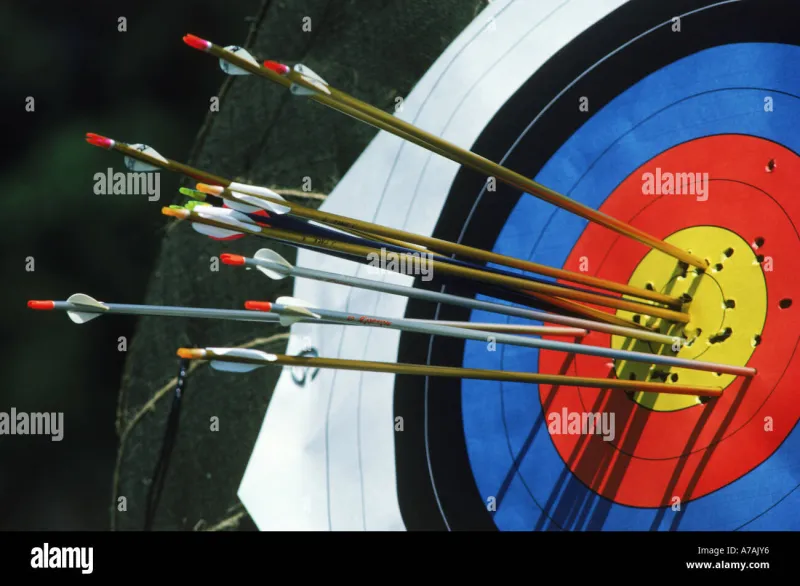
Photo: archery bow chronograph cold weather field test target practice, via c8.alamy.com
The first draw of a December sit always tells the truth. The string feels thicker. The valley feels firmer. And if you have been shooting in a heated shop all fall, your pins may be telling a story that no longer matches the woods. Cold air does not just change your comfort level. It changes your bow.
As we head into December 2026, that matters more than most bowhunters want to admit. Late seasons in places like Kansas, Minnesota, and Montana rarely come with balmy practice weather. You zeroed in September. You hunted hard in October and November. Then the mercury drops, and nobody thinks to re-check the one piece of gear that has to be perfect when a tired buck finally steps into a shooting lane.
The Test: Five Flagships, Two Temperatures
We took five flagship bows from major manufacturers, set them to 70 pounds and 29 inches of draw, and shot a 425-grain hunting arrow through a chronograph. Each bow sat in a climate-controlled room at 60°F for two hours, then moved to a 25°F cold chamber for two hours. We used the same release, the same arrow, and three-shot averages. No shivering heroics, no guesswork.
At 60°F, the group average was 292 feet per second. At 25°F, it was 279. That is a 13 fps loss, or about 4.5 percent. One bow dropped 17 fps. Another lost only 8. The difference comes down to cam design, string material, lubricant viscosity, and normal manufacturing tolerances. The takeaway is not that one brand is better in the cold. It is that your bow is not the same machine at 25°F that it was at 60°F.
Speed Is Only Half the Story
Thirteen feet per second sounds small until you put it downrange. At 30 yards, the difference in drop was around 1.5 to 2.5 inches depending on the bow and pin setup. At 40 and beyond, it grows. More importantly, the pin gaps change. If your 20- and 30-yard pins were tight in October, they may look crowded or stretched now. A bow that was flat at 40 may suddenly require a hold high on the shoulder.
Trajectory is a curve, not a line. A slower arrow spends more time in the air, so gravity has more time to work. Add a cold-weather jacket that changes your anchor and a glove that changes your release, and the error stacks. This is why a bow that feels fine on the range can suddenly shoot low in the field. It is not mystical. It is physics with a stiff string and cold fingers.
The 30-Yard Rule of Thumb
Here is the field rule we use when there is no time or safe place to re-sight: cap it at 30 yards. If you have not chronographed and confirmed your pins at December temperatures, treat 30 yards as your ethical maximum and aim center. Inside that distance, a 13 fps loss is unlikely to move your impact outside a deer's vitals if your form is solid. Past 30, the margin gets thin fast.
This is not a hard law of physics. It is a buffer for hunters who would rather pass a 35-yard shot than wound an animal. Once you re-sight, you can extend that range back out, but only as far as your actual cold-weather groups justify. The rule is a stopgap, not a substitute for practice.
The At-Home Protocol
-
Let the bow acclimate. Leave it in a case outdoors or in an unheated garage for at least 30 minutes. Do not bring a cold bow into a warm room, shoot it immediately, and call that a cold test. Condensation and temperature swings will give you bad data.
-
Chronograph first. Fresh batteries. Set the unit at least a foot behind the bow and shoot through the middle of the screens. Record a three-shot average, not a single best arrow.
-
Re-sight at 20 and 30. Start close enough that you can see arrow flight. Adjust your pins to the cold-weather point of impact. Then check 40 and 50 to see how far your effective range has moved.
-
Mark the change. If your sight has a tape, note the new setting. If it does not, use a paint pen or a piece of tape to record the difference. You are building a cold-weather reference, not just chasing today's group.
-
Practice in the gear you will hunt in. Gloves, jacket, face mask, and release. A warm-weather anchor and a December anchor are not always the same anchor.
What to Leave Alone
Do not start cranking on draw weight or fiddling with cam timing because of one cold session. Most of the speed loss is environmental. A bow that was tuned in September is still tuned in December, as long as you have not changed arrows, rests, or release. Re-sight the pins, verify arrow flight with a broadhead, and leave the bow's guts alone unless you have a real reason.
Also resist the urge to over-lube. A little string wax is fine. Packing on grease or oil in cold weather can attract grit and change how the bow feels. Follow the manufacturer's guidance.
The Bottom Line
Cold air is not an excuse to stay home. It is a reason to be honest. Your bow loses speed in December. Your pins may not line up the way they did in early fall. Your effective range may shrink. A five-minute chronograph session and fifteen minutes on a target can tell you exactly how much.
Re-chronograph. Re-sight. Then hunt with a number you trust instead of a memory from warmer days. If you cannot do that before your next sit, keep it inside 30 and enjoy the quiet. The deer will not care about feet per second. Your arrow will.