Solo, Not Stranded: A Three-Zone Gear System for 2026 Bowhunts

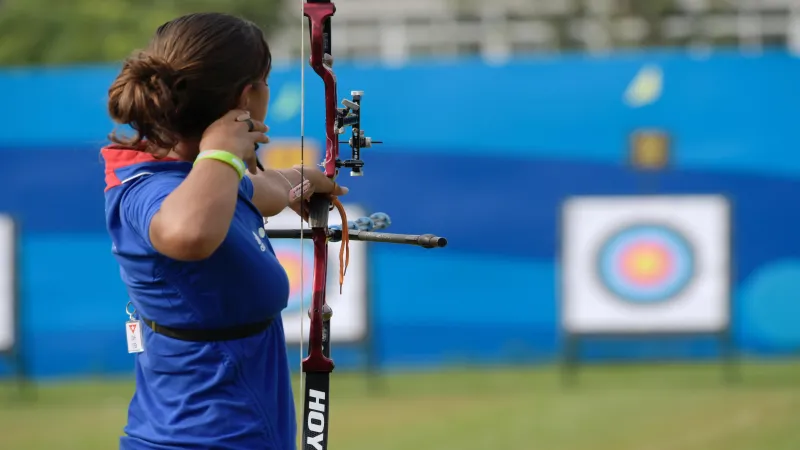
Photo: bowhunter organizing gear in pickup truck bed at dawn, via i.ytimg.com
Most gear lists are written like you have a mule, a guide, and a second truck following you. Solo bowhunting is not that. You get one body, one pack, and whatever you left in the rig. The fix is not more stuff. It is a system with clear zones: the truck box, the day pack, and the kill kit. Build those three once, test them before the season, and you stop making panic purchases in the parking area.
The Truck Box Is Basecamp, Not a Closet
Think of the truck box as your resupply and recovery layer. It should hold the gear you do not carry on every sit but absolutely want within walking distance of the trailhead. A heavy-duty tote or two keeps things organized: one for clothing and one for tools, water, and emergency odds and ends.
In the clothing tote, pack a spare base layer, a dry insulation layer, and a shell. Cotton stays home. A synthetic or merino base layer and a packable puffy will cover most late-season temperature swings without eating your budget. Add gloves, a beanie, and a spare pair of socks in a zip bag. If you sweat on the hike in, you will thank yourself at last light.
The tool tote is where a lot of solo hunters overspend. You need a bow case, a backup release, a small tool kit, extra batteries, a headlamp, and a basic first-aid kit. A folding saw and a good knife live here too, but they are not the kill kit. Keep the truck box focused on backup and repair. If you duplicate every item, you will carry too much and still forget the one thing you need.
Day Pack: Layers, Lights, and Water You Actually Carry
The day pack should be light enough to hunt in and complete enough to survive an unplanned night out. That balance is personal, but most solo bowhunters land in the 20 to 35 liter range for day hunts. Start with layers. You want a base layer you are wearing, an insulation layer in the pack, and a shell that blocks wind and rain. A lightweight puffy and a packable rain jacket cover a lot of ground without turning your pack into a suitcase.
Lights are non-negotiable. Carry a primary headlamp and a small backup. Red mode is nice for moving without spooking game, but white light is safer for field dressing and finding a trail. Spare batteries stay in a small zip pouch, not loose in the bottom of the pack. A compact handheld light adds reach for tracking and signaling.
Water is where solo hunters get sloppy. A bladder is convenient, but bottles are easier to check and refill. Carry at least one hard bottle and a collapsible backup. A small filter or purification tablets are cheap insurance if you are hunting public land with creeks or stock tanks. Electrolyte tabs help on hot early-season hikes and long pack-outs.
Emergency shelter does not need to be a full bivy setup for every hunt. A quality space blanket or emergency bivy, a fire starter, and a compact signal whistle weigh almost nothing and cover the worst-case scenario. If you routinely hunt miles back, upgrade to a lightweight tarp or emergency shelter that can actually keep wind and rain off you.
Kill Kit: Game Bags, Sharp Stuff, and a Plan
The kill kit lives in the pack, not the truck. That is the whole point. If you arrow an animal at last light a mile from the road, you do not want to hike out for bags and a saw. Build a small pouch with four to six synthetic game bags, a sharp fixed-blade knife, a spare blade or sharpener, nitrile gloves, a small folding saw, parachute cord, a license and tag holder, and a large trash bag for meat or bloody clothes.
Synthetic game bags are worth the upgrade over old cotton pillowcases. They breathe, they do not hold as much blood, and they are easier to rinse and dry. Add a lightweight pen for tagging and a small notebook or phone app for your kill log. If you quarter animals, practice the process before the season. The kill kit is not a good-luck charm. It is a plan you have rehearsed.
Duplicate-Free Packing and a Realistic Budget
The easiest way to waste money is to buy two of everything because you cannot find it. Label your totes. Use a simple checklist on your phone. Before every hunt, ask three questions: What is on my body, what is in my pack, and what stays in the truck? If an item shows up in two places, decide which zone owns it.
Budget-wise, spend first on layers, lights, and a reliable pack. Those are the items that affect comfort and safety every trip. Game bags and kill-kit tools can be modest without being cheap. Emergency shelter is not the place to save ten dollars. Buy a reputable brand, test it in the yard, and know how to use it.
Test the System Before Opening Day
Load your pack, walk a mile, and see what rattles. Sit in your gear for an hour in the cold. Practice setting up your shelter with gloves on. Lay out your kill kit and talk through the process. A solo hunt is quiet and simple when the system works. It gets complicated fast when you are digging through a truck box in the dark, hoping the one thing you need is not still on the kitchen counter. Build the three zones, keep them separate, and let the gear support the hunt instead of becoming the hunt.